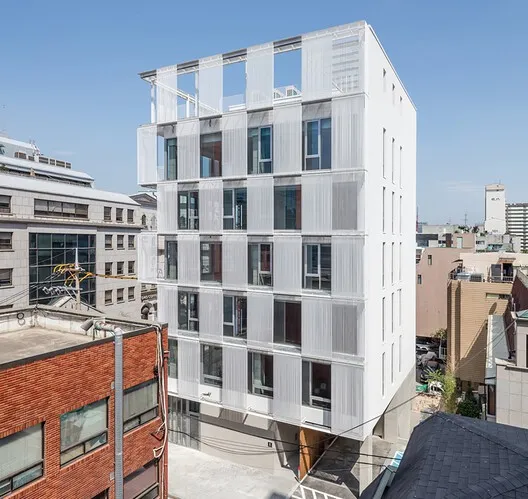
Executive Summary
Revisiting the liminal spaces of traditional Korean architecture offers a profound blueprint for designing modern urban environments that seamlessly blend private sanctuary with vibrant public interaction.
Analytical Insights
- Traditional Korean architecture ingeniously incorporates liminal spaces, such as the 'maru' or flooring deck under the eaves, which fluidly negotiate the boundary between private interiors and the public realm.
- These interstitial zones historically served as vital social conduits, encouraging spontaneous interaction and a sense of community by inviting both occupants and passersby to pause, converse, and connect.
- The re-evaluation of such 'in-between' spaces offers critical insights for contemporary urban planning, addressing the prevailing challenge of rigidly segregated private and public domains to foster more integrated and vibrant communal living.
Further Reading
- Invisible Steel Frameworks: Structural Reinforcement and TCO Security Defense in Hotel Furniture Procurement
- ESG Engineering and Defensive Procurement: Sustainable Capital and TCO Strategies in Hotel Furniture Procurement
- Extreme Environment Defense Mechanisms: Anti-Corrosion Engineering and TCO Budget Allocation in Hotel Furniture Procurement