Executive Summary
Luxury hospitality renovations face high-traffic wear and island climate challenges. This whitepaper details FF&E engineering solutions and long-term TCO.
Spatial Philosophy & Architectural Narrative
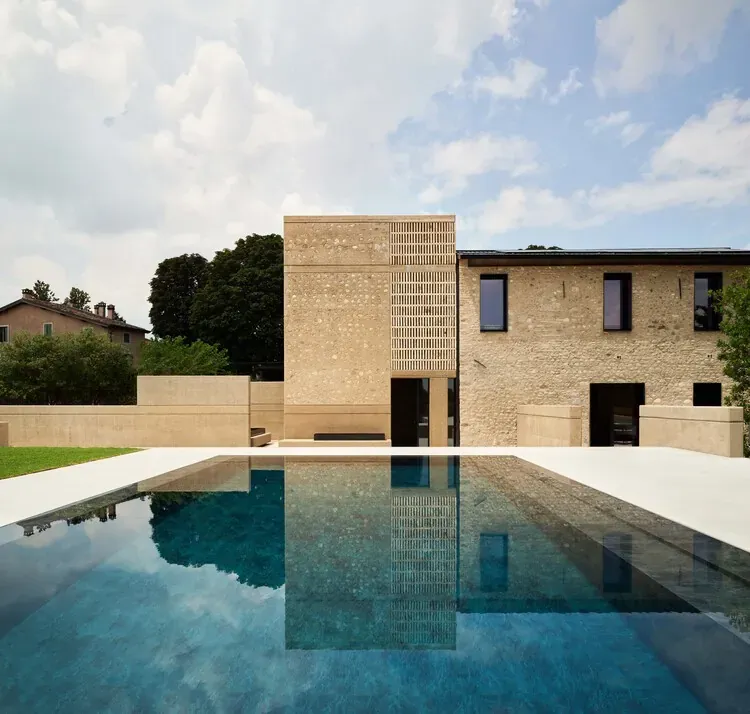
Transforming historic architecture into a luxury hospitality experience demands a spatial philosophy that skillfully balances the gravitas of the original structure with contemporary guest expectations for comfort and functionality. The design core should prioritize creating fluid circulation paths, subtly guiding guests through various spatial tiers while preserving intimacy. For instance, public areas can transition from a grand, high-ceilinged lobby to more secluded lounge zones through layered volumes. Natural light is a pivotal element; existing windows and openings must be maximized to draw in external views and illumination, complemented by intelligent lighting systems that adjust ambient mood throughout the day. Brand narrative extends beyond visual aesthetics, integrating tactile and auditory experiences through specific material selections—such as warm timbers and refined stone—and curated soundscapes. In heritage renovation projects, respecting the building’s original style and textures is paramount, ensuring visual continuity and historical depth while undertaking structural reinforcement and functional upgrades. Each guestroom should be conceived as a distinct microcosm, with a design language coherent with the overall architectural theme, fostering a nuanced sense of belonging through furniture arrangements and decor choices. The interface between public and private spaces requires careful design, using subtle variations in materials, lighting, and visual cues to delineate functions clearly, while maintaining aesthetic harmony and ensuring a consistently immersive and refined guest experience.
Luxury FF&E Material Engineering & Joinery Breakdown
The meticulous engineering of FF&E materials and joinery is central to ensuring long-term operational stability in high-end hospitality projects. For wood substrates, F1-grade, low-formaldehyde moisture-resistant plywood is recommended, adhering to CNS 2215 standards for formaldehyde emissions and offering superior moisture resistance against humidity fluctuations. All wood panel surfaces and cabinet doors should utilize a balanced two-sided veneering technique, with genuine wood veneer thickness not less than 0.6 mm, finished with a scratch-resistant, anti-fingerprint topcoat layer, ideally exceeding 250 µm in thickness. Edge banding should employ PUR hot-melt adhesive for high bond strength and moisture penetration resistance, with edge alignment tolerances controlled within ±0.2 mm. Hardware bearing capacity and fatigue life are critical. Drawer slides should be heavy-duty ball-bearing slides, tested for over 80,000 cycles of opening and closing, with a load capacity of 45 kg. Door hinges require soft-close mechanisms and must pass over 50,000 open-close cycles to mitigate wear and noise from frequent use. Metal trim should be PVD-coated stainless steel, at least 1.0 mm thick, providing high hardness and corrosion resistance, with a Rockwell hardness exceeding HV 800 to resist scratches and oxidation in high-contact areas. Natural stone, such as marble or granite, requires fiberglass mesh backing for crack prevention, secured with epoxy resin adhesive to enhance structural stability and prevent fracturing from impact or stress concentrations. Stone thickness should be a minimum of 20 mm. For upholstery, given the high usage in public areas and guestrooms, fabric Martindale abrasion resistance should exceed 40,000 cycles. Furthermore, all fabrics, fillings, and fire retardant layers must comply with BS 7176 Medium Hazard or Crib 5 fire safety standards, with a heat release rate below 5.2 kW, ensuring guest safety. These stringent material and craftsmanship selections form the durable foundation of luxury hospitality FF&E.
Hospitality Operations, Wear Analysis & TCO Model
From a hospitality operator’s perspective, high-frequency wear points and their impact on Total Cost of Ownership (TCO) are central considerations. Over a 5 to 10-year operational cycle, guestroom items like desks, nightstands, wardrobe doors, minibar cabinets, along with public area elements such as sofas, dining chairs, and reception counters, are common points of impact and abrasion. Furniture surfaces in these areas are prone to scratches, dents, and finish peeling, leading to aesthetic degradation and brand image compromise. Traditional low-cost procurement strategies, while reducing initial CapEx, often result in frequent maintenance and replacement, incurring higher OpEx. For instance, using low Martindale abrasion fabric may necessitate re-upholstery every 2-3 years; inadequate drawer slides could fail or stick within 1-2 years. These unexpected maintenance and replacement costs not only increase direct expenses but also negatively impact room occupancy rates and guest satisfaction. To manage TCO effectively, a ‘durability-first’ strategy is recommended. This involves investing in high-durability materials and construction methods during the CapEx phase, such as fabrics with Martindale abrasion resistance exceeding 40,000 cycles, hardware proven through rigorous cycle testing, and scratch-resistant PVD-coated metals. This approach significantly extends asset lifespan, pushing maintenance cycles from 2-3 years to 5-8 years or more. Quantified cost-benefit analysis can demonstrate that high-quality FF&E can save 20-30% in total maintenance and replacement costs over a 10-year period compared to lower-cost alternatives. Furthermore, standardized modular designs facilitate localized component replacement, further reducing maintenance expenses and revenue loss from out-of-service rooms. Proactive maintenance plans should be established in collaboration with suppliers, including regular inspections, cleaning guidelines, and spare parts inventory recommendations, addressing potential issues early to ensure smooth operations.
Sunder Engineering Grounding & Subtropical Climate Defense
In subtropical island climates, high temperatures and humidity (75-85% relative humidity) pose significant challenges to FF&E durability. Therefore, rigorous protective strategies must be implemented during the factory fabrication phase to address this unique environment. Firstly, precise moisture content control of wood substrates is critical; it must be stabilized between 8-12% before leaving the factory, and appropriate temperature and humidity conditions must be maintained during packaging and transportation. Any fluctuation outside this range can lead to wood expansion, shrinkage, warping, or cracking. For effective moisture defense, all exposed end grains and non-visible surfaces of panel components should receive a two-sided moisture-sealing finish, creating a continuous barrier to prevent atmospheric moisture penetration. The thickness and uniformity of this sealant layer must be rigorously inspected for complete coverage. In mortise-and-tenon and assembly joint designs, a minute stress relief gap, approximately 0.2-0.5 mm, should be incorporated. This allows for natural, minor expansion and contraction of the wood with humidity changes, preventing structural cracking due to concentrated stress. Modular prefabrication plays a vital role in such projects, enabling furniture units to be largely assembled in a controlled factory environment. This minimizes the impact of on-site humidity and dust on quality. For example, integrated bathroom vanities or wardrobe interiors can be pre-assembled, requiring only simple joining and fastening on-site. This not only substantially shortens on-site installation time and reduces operational disruption but also ensures assembly precision and quality consistency, mitigating potential errors and damage from site construction. Furthermore, stringent quality control checkpoints must be integrated throughout the entire manufacturing process, from raw material reception to final product shipment. Key indicators such as moisture content, dimensional tolerance, and film adhesion should be tested at each stage to ensure compliance with the demanding requirements for long-term use in island climates.
B2B Material & Inspection Specification Table
To guarantee the engineering quality and long-term stability of FF&E, clear and quantifiable material and inspection specifications are essential. The table below provides examples of material and construction specifications, international inspection standards, and acceptance criteria for key components, serving as a reference for B2B procurement and quality control. These specifications aim to mitigate risks at the source, ensuring products can withstand high-frequency use and specific environmental challenges. During acceptance, professional engineers should conduct actual measurements against each indicator, including dimensional checks, coating thickness verification, hardware functionality tests, and structural stability assessments. Any deviations from the tolerance range must be documented and corrected to safeguard the project’s overall quality and the return on durability investment.
| Component | Specification | Inspection Standard | Tolerance & Criteria |
|---|---|---|---|
| Furniture Substrate | F1-grade moisture-resistant low-formaldehyde plywood, balanced double-sided veneer (0.6mm real wood) | CNS 2215 (formaldehyde 0.3mg/L), CNS 1349 (Flame retardant class 3) | Moisture content 8-12%, thickness tolerance ±0.2mm |
| Topcoat Finish | UV-cured scratch-resistant topcoat, thickness 250µm+ | ASTM D3359 (Adhesion 5B), JIS K5600 (Scratch hardness 2H) | Uniform film, no runs or orange peel, color difference ΔE < 1.0 |
| Drawer Slides | Heavy-duty ball-bearing slides, galvanized steel | ANSI/BIFMA X5.5 (80,000 cycles) | Load capacity 45kg, smooth operation, no abnormal noise, travel deviation ±0.5mm |
| Door Hinges | Soft-close concealed hinges, nickel-plated steel | ANSI/BIFMA X5.5 (50,000 cycles) | Stable opening angle, effective soft-close, precise positioning |
| Metal Trim | 1.0mm PVD-coated stainless steel | ASTM B117 (Salt spray 1000h no rust), ISO 4538 (Hardness HV800+) | Flat surface without scratches, uniform color, joint tolerance ±0.1mm |
| Upholstery Fabric | Martindale abrasion-resistant fabric, polyester | BS 7176 Medium Hazard (Crib 5), ISO 12947 (Abrasion 40,000+ cycles) | No pilling, colorfastness Grade 4+ |
| Stone Countertop | 20mm natural marble, fiberglass mesh backing | ASTM C97 (Water absorption <0.5%), ASTM C170 (Compressive strength >60MPa) | Surface flatness ±0.5mm, joint ≤1mm, no cracks, uniform color |