Executive Summary
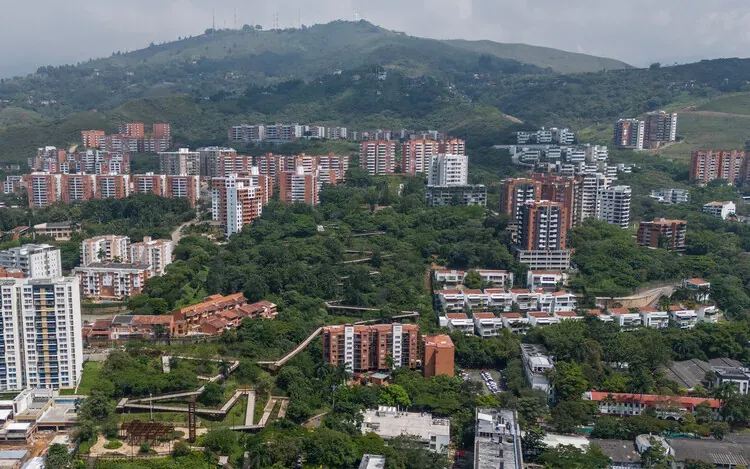
This transformative landscape infrastructure redefines urban boundaries by forging a vibrant ecological link between city and wilderness.
Analytical Insights
- Spatial Narrative and Aesthetic Integration: The Cali Foothills corridor transcends mere physical connection; through strategic landscape design, it seamlessly merges urban fringes with natural mountains, crafting a layered visual flow and immersive experience. This enhances the overall ecological aesthetic value of the region, serving as a transitional and conversational space between urban living and natural recreation.
- Sustainable Materials and Engineering Resilience: For a long-term landscape infrastructure project, material selection is paramount. Priority should be given to local, recyclable, and weather-resistant materials, such as high-performance recycled concrete, permeable pavements, and native plant species. This ensures long-term corrosion resistance, low maintenance costs, and effective adaptation to local climate change and extreme conditions, maximizing asset lifespan.
- Asset Value and Environmental Benefits: As an initiator of an "urban forest," this corridor not only enhances green coverage and livability of surrounding properties but also creates significant external benefits through ecosystem services (such as air purification, soil and water conservation, and biodiversity enhancement). This directly impacts regional tourism potential and residents' quality of life, bringing long-term sustainable asset appreciation for local governments and owners, effectively reducing the total cost of ownership (TCO) for urban maintenance.
- Forward-Looking Design and Eco-Integration Trends: The Cali Foothills corridor embodies a core trend in future urban design: the intimate integration of ecological restoration with urban development. Its positioning as "landscape infrastructure" signals that urban planning will increasingly focus on leveraging green networks to address climate change, promote biodiversity, and provide residents with healthier, nature-coexisting lifestyles, guiding cities towards a more resilient and sustainable future.