Executive Summary
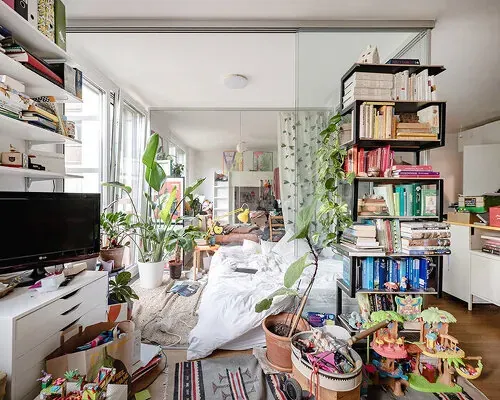
Luxury spatial design is evolving to embrace flexible layouts that anticipate dynamic human relationships, transcending static architectural conventions.
Analytical Insights
- Spatial Narrative and Aesthetic Layers: Employing modular and transformable design language to create flexible spaces that can be both independent and integrated. This ensures that regardless of configuration, luxury aesthetics and fluid circulation remain intact, allowing the space to maintain high aesthetic tension and emotional connection amidst changes.
- Asset Durability and Exquisite Craftsmanship: For spaces requiring frequent reconfiguration, selecting premium durable and easily maintainable materials is crucial. Through precise engineering details and concealed mechanisms, all movable components must retain their functionality and luxurious visual appeal after repeated use, maximizing the asset's lifecycle.
- Owner Asset Value and Operational Efficiency: Flexible spatial configurations significantly enhance a property's rental or sales potential, catering to diverse clientele (e.g., discerning singles, creative couples, multi-generational families, co-living models). This reduces capital expenditures CapEx and total cost of ownership (TCO) associated with major renovations due to market shifts, ensuring long-term asset appreciation and flexible revenue for owners.
- Forward-Looking Design Philosophy: This trend reflects a return to human-centric design, signaling that future luxury architecture will prioritize users' evolving needs and life narratives. It represents not only technological innovation but also a deeper philosophical reflection on future living environments, guiding design towards a more human-centered and sustainably adaptive direction.