Global Pulse
Curated global architectural design trends, luxury hospitality space revolutions, and material craftsmanship insights.
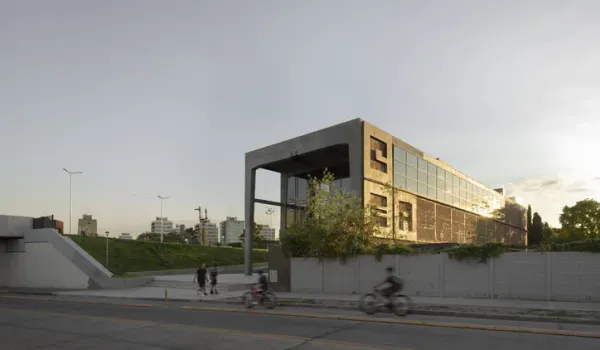
Photo: archdaily.com
Industrial Heritage Adaptive Reuse & High-Traffic Public Cultural FF&E Engineering Whitepaper: CEA Avellaneda Case Study
This whitepaper by Sunder Engineering analyzes the adaptive reuse of the CEA former oil mill into an audiovisual heritage archive. It provides a comprehensive FF&E technical breakdown—covering F1-grade moisture-proof plywood, PVD titanium stainless steel trims, stress-relieved joinery, Martindale 40,000+ rub fabrics under BS 7176 standards, and a CapEx/TCO lifecycle financial model tailored for high-traffic cultural hospitality assets in humid subtropical environments.
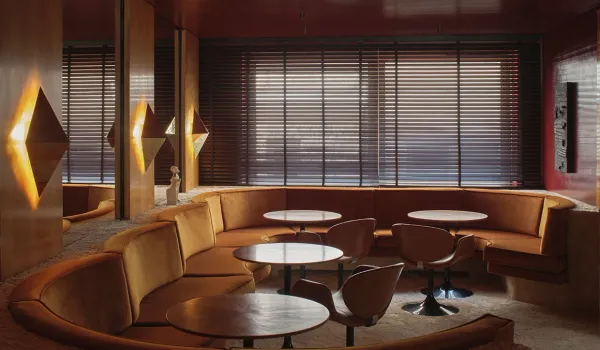
Photo: yellowtrace.com.au
Hotel Aurora: FF&E Renovation Blueprint
Analyzing historic hotel upgrades, facade metals, bespoke joinery engineering, and TCO control in humid environments.

Photo: archdaily.com
Heritage Architecture & Hospitality Craftsmanship: Comprehensive FF&E Engineering & TCO Analysis of La Candelaria
Authored by Sunder Engineering, this whitepaper delivers an in-depth analysis of high-end hospitality engineering in the historic Plaza de la Concordia precinct. Integrating heritage spatial logic, F1-grade low-formaldehyde marine plywood, PVD titanium framing, operational TCO cost modeling, and subtropical moisture defense, this paper provides commercial asset owners with actionable, data-driven FF&E execution standards.
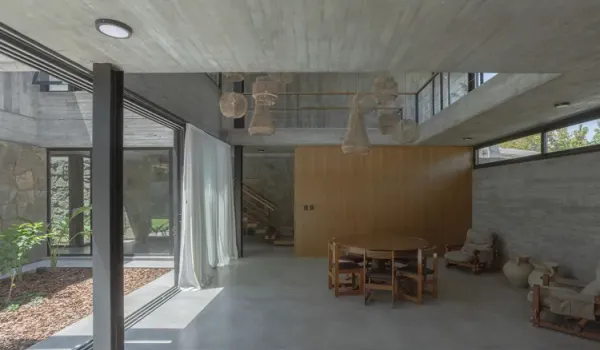
Photo: archdaily.com
Sustainable Luxury Hospitality: FF&E Engineering & TCO Optimization Strategies for Asia-Pacific Island Climates
This whitepaper analyzes the design and engineering challenges of luxury hospitality projects in high-humidity, high-temperature Asia-Pacific environments. Sunder Engineering offers comprehensive insights from spatial philosophy, FF&E material engineering, and Total Cost of Ownership (TCO) models, to subtropical climate defense strategies. We meticulously break down critical metrics such as wood substrates, hardware fatigue life, PVD titanium plating, and fabric durability, providing concrete procurement and acceptance standards to safeguard asset value and operational resilience.
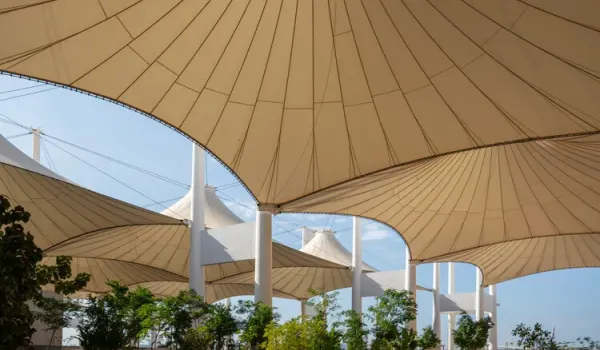
Photo: archdaily.com
Environmental Intelligence & TCO Optimization Strategies: A Deep Dive into Luxury Hotel FF&E Engineering
This column explores how premium hotel FF&E achieves spatial philosophy and optimizes Total Cost of Ownership (TCO) through precise engineering and material selection. From architectural narrative to subtropical climate defense, we dissect key craftsmanship including wood substrates, hardware, PVD titanium metals, and fabric durability. It offers hotel owners asset management strategies for superior durability and long-term benefits, with precise data and standardized acceptance criteria ensuring every investment is a wise one.
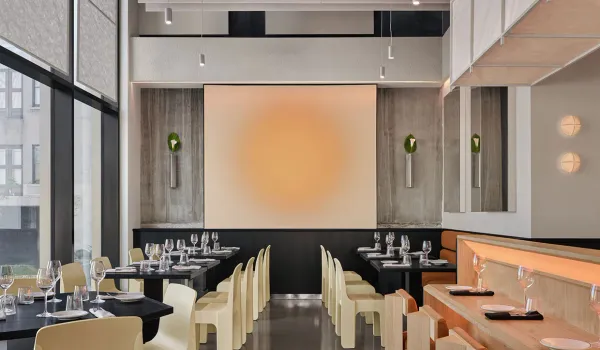
Photo: yellowtrace.com.au
Japanese Minimalist Dining FF&E Specs
Technical analysis of raw concrete and timber dining FF&E, resolving high-traffic wear and tropical moisture risks.
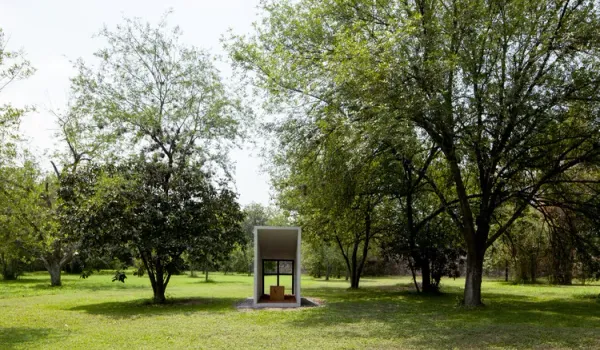
Photo: archdaily.com
Advanced FF&E Asset Management for Luxury Hospitality: From Spatial Narrative to Optimized TCO Engineering
This column offers an in-depth analysis of high-end hospitality FF&E projects, spanning from the architectural volume to the refined interior spatial philosophy. It precisely deconstructs FF&E material engineering and structural craftsmanship using objective physical metrics and data. By integrating high-frequency wear analysis over the hotel's operational cycle, a comprehensive Total Cost of Ownership (TCO) defense model is presented. Furthermore, in response to subtropical climate challenges, Sunder Engineering's localized manufacturing and climate protection strategies are detailed, culminating in stringent B2B procurement, inspection, and acceptance standards to ensure long-term asset value.
The Dean Munich Hotel: FF&E Engineering & Joinery
This analysis details how The Dean Munich mitigates high-traffic wear using wear-resistant FF&E joinery and BS 7176 fire-rated fabrics.
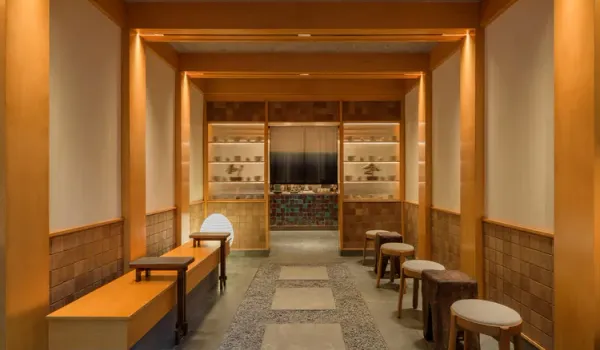
Photo: archdaily.com
Symbiotic Elegance: Environmental Adaptation and Asset Resilience Analysis of Jun Matcha Club's FF&E Engineering
This white paper offers an in-depth analysis of the Jun Matcha Club project in Jakarta, dissecting its spatial aesthetics, premium FF&E craftsmanship, operational wear TCO model, and subtropical climate defense strategies. It comprehensively articulates material engineering and asset management principles for commercial furnishings in high-humidity environments. Focusing on F1 moisture-proof substrates, PVD titanium technology, Martindale-rated fabrics, and precise joinery, it aims to provide owners with long-term operational efficiency and environmental resilience.