Executive Summary
Deconstructing space through its foundational structural elements is key to crafting luxury experiences that balance aesthetics and function, defining the profound narrative of any environment.
Analytical Insights
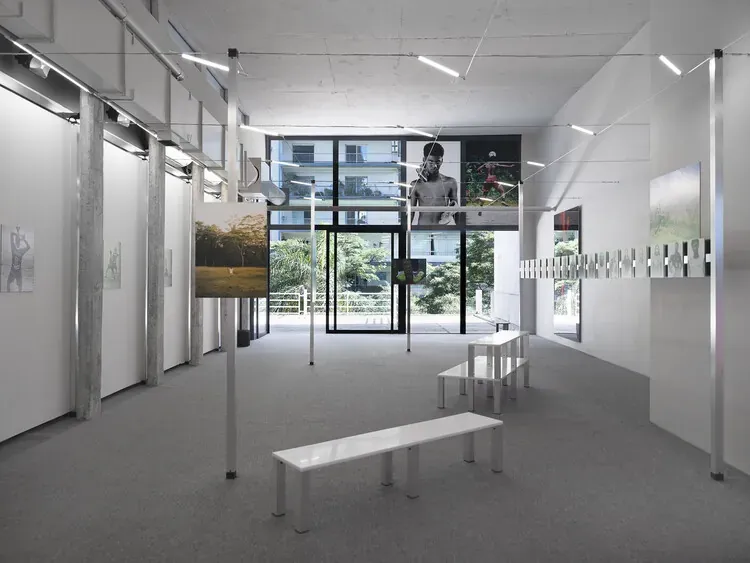
- Spatial Narrative and Structural Aesthetics: The five core elements of exhibition design—floor, wall, pillars, grid, and audiovisual equipment integrated with furniture—collectively form the spatial framework and visual order. Beyond physical boundaries, they are crucial interfaces for guiding circulation, creating ambiance, and telling brand stories, profoundly influencing how occupants perceive and interact with the space.
- Material Craftsmanship and Enduring Value: The success of luxury environments hinges on the precise selection and superior craftsmanship of materials for floors, walls, and furniture. These elements must not only exhibit exceptional quality but also possess wear resistance and ease of maintenance, ensuring their aesthetic integrity and structural stability are preserved over prolonged use, thereby effectively reducing the total cost of ownership.
- Asset Value and Operational Efficiency: Design strategies that integrate audiovisual equipment with furniture, coupled with the flexibility offered by grid systems, significantly enhance a space's versatility and potential for future adaptation. This not only optimizes initial capital expenditure CapEx but also effectively reduces long-term total cost of ownership (TCO) by minimizing future renovation costs and boosting operational efficiency, thereby generating continuous asset appreciation for owners.
- Forward-Looking Design and Sustainable Evolution: Future design trends emphasize flexible and intelligent space integration. Starting from fundamental structural elements, incorporating modular grid systems and pre-planned audiovisual infrastructure provides seamless possibilities for future technological upgrades and functional transformations, embodying design foresight and a commitment to sustainable development.