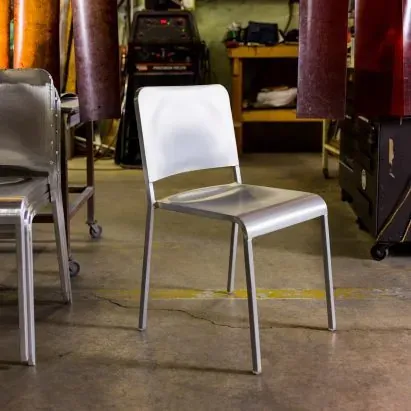
Executive Summary
Analysis of commercial metal furniture structural joinery, surface treatment, and CapEx lifecycle evaluation.
Spatial Philosophy & Architectural Narrative
In commercial interior architecture, seating items function as critical elements of spatial hierarchy and visual identity. Designed by renowned architects, metal chairs reflect architectural proportions and tectonic rigor at a micro-scale. Within luxury hospitality and upscale retail environments, these FF&E assets define the physical touchpoints of brand positioning. However, fast-fashion replications frequently mimic surface forms while omitting the internal structural engineering required for high-traffic environments. For hotel operators and commercial developers, opting for IP-compliant and structurally certified furniture represents a key strategy for protecting brand equity and ensuring structural reliability. Engineering specifications must bridge architectural aesthetics and mechanical compliance, establishing strict evaluation frameworks during procurement.
Luxury FF&E Material Engineering & Joinery Breakdown
Commercial metal seating engineering requires a balance between dynamic load strength and surface coating durability. Structural substrates typically specify 6061-T6 aluminum alloy or SUS304 stainless steel, fabricated using continuous TIG (Tungsten Inert Gas) welding and seamless grinding to eliminate stress concentrations at structural joints. Unlike residential furniture utilizing spot welding, commercial-grade frames must comply with EN 16139 Level 2 or ANSI/BIFMA X5.1 standards. Static seat load capacity must exceed 1,360 N, while backrest durability testing requires enduring 445 N forces over 100,000 cycles without structural looseness or weld failure.
For surface finishing, anodized aluminum components require an oxide layer thickness of 15 to 25 μm to withstand physical impacts and chemical cleaning agents. PVD titanium-coated stainless steel trim must achieve a surface hardness exceeding HV 2000 and pass the ASTM D3359 cross-hatch adhesion test at Grade 5B. Where upholstered seat pans or internal plywood substrates are integrated, specifications dictate F1 grade (formaldehyde emissions ≤ 0.3 mg/L) exterior-grade plywood to prevent delamination or interior mold growth under humid environmental conditions.
Upholstery cushioning utilizes high-resilience cold-cured molded polyurethane foam with a density ≥ 45 kg/m³ and a compression set below 5%. Cover textiles must achieve a Martindale abrasion resistance rating of at least 40,000 cycles and satisfy BS 7176 Medium Hazard fire safety requirements (Crib 5 test, 5.2 kW heat output).
Mechanical fasteners require SUS316 stainless steel machine screws with medium-strength threadlocking compound (Loctite 242) to prevent structural loosening under continuous vibrational load. Where natural stone or composite panels integrate with metal frameworks, a 3 mm high-density EVA cushioning layer combined with epoxy resin fiberglass backing must be applied to isolate thermal expansion stress and avoid panel cracking.
Hospitality Operations, Wear Analysis & TCO Model
From a commercial real estate asset management perspective, FF&E procurement directly influences the 5-to-10-year total cost of ownership (TCO) and operational budgets (OpEx). Low-cost alternative products reduce initial CapEx by 30% to 50%, but inadequate weld penetration, thin surface coatings (< 8 μm), and low-density foam (< 25 kg/m³) result in structural degradation within 12 to 18 months of operation. Common failure modes include joint loosening, coating delamination, and foam collapse, generating frequent maintenance demands and potential liability risks.
Conversely, commercial-grade metal seating certified to EN 16139 Level 2 standards offers a functional lifespan exceeding 10 years. Implementing a structured maintenance program—comprising semi-annual mechanical fastener torque checks and annual protective coating reconditioning—extends the primary refurbishment cycle to 8 years. Utilizing the TCO evaluation model, high-specification furniture reduces overall lifecycle expenditure by 35% to 42% over a 10-year operational period compared to low-grade substitutes, making engineering compliance a core component of financial risk mitigation.
Sunder Engineering Grounding & Subtropical Climate Defense
In subtropical island climates characterized by relative humidity levels between 75% and 85% and elevated coastal salt air, metal FF&E components require rigorous corrosion defense protocols during manufacturing and installation. Prior to surface coating, metal substrates must undergo a 9-stage pre-treatment process, including degreasing, acid pickling, phosphating, and deionized water rinsing, achieving Class 0 adhesion under ISO 2409 standards. For coastal hospitality assets, metal hardware must pass 480 hours of neutral salt spray testing in accordance with ASTM B117 with zero red rust formation.
At intersections between metal frameworks and wood or stone, engineering tolerances must incorporate a 1.5 mm to 2.0 mm joint gap sealed with neutral silicone sealant to accommodate thermal expansion and prevent moisture ingress. All timber and plywood base panels must maintain a moisture content between 8% and 12%, with every CNC-machined edge and fastener hole factory-sealed with moisture-resistant polyurethane coating. Factory modular prefabrication reduces field installation time by over 40%, minimizing site contamination and installation risks.
B2B Material & Inspection Specification Table
For commercial furniture procurement, receiving inspectors must execute quantitative verification against standard engineering specifications. The evaluation matrix below outlines the critical structural, coating, substrate, and textile metrics required for sign-off:
| Component | Specification | Inspection Standard | Tolerance & Criteria |
|---|---|---|---|
| Metal Frame | 6061-T6 Aluminum / SUS304 Stainless Steel, TIG welded | ANSI/BIFMA X5.1 / EN 16139 L2 | Static seat load 1,360 N; backrest 100,000 cycles without cracks |
| Anodized Finish | 15-25 μm layer thickness, sealed surface | ISO 2143 / ASTM B117 | 480-hour salt spray resistance; cross-hatch adhesion Grade 5B |
| Plywood Substrate | F1 Grade low-formaldehyde moisture-resistant plywood, PU sealed | CNS 1349 / GB/T 17657 | Formaldehyde ≤ 0.3 mg/L; moisture content 8%-12% |
| Upholstery Textile | High-durability textile, cold-cured molded PU foam (≥45 kg/m³) | Martindale / BS 7176 Medium Hazard | Abrasion ≥ 40,000 cycles; passes Crib 5 flame retardancy |
Quality assurance inspectors must verify that each delivery lot includes certified test reports from accredited third-party laboratories. On-site non-destructive testing for coating thickness and hardness must be completed prior to final sign-off.